

Advert
Pollen Allergies:What Are They & How to Deal With Them
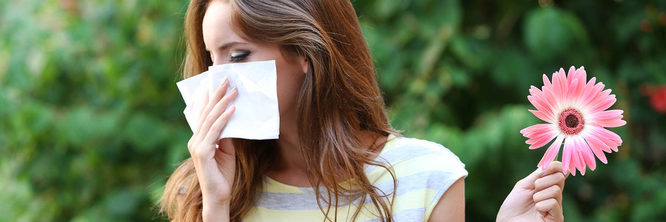
MONDAY, April 15, 2019 (AllergyInsider) If you sneeze, cough, have a runny nose, or experience other common allergy symptoms during peak pollen seasons, such as spring months, you’re not alone. More than 67 million people suffer from allergies, and of them, 81 percent report having a pollen allergy1. In fact, pollen is one of the most common allergens in the United States.
So what is pollen, exactly?
In technical terms, it’s the male fertilizing agent of flowering plants, trees, grasses, and weeds.2 In nontechnical terms, it’s the yellow powdery stuff that coats your car during spring.
Due to pollen’s microscopic size, it travels easily through the air, especially on windy days. This means that your allergic reaction might not be caused by pollen produced nearby, but rather from sources miles away. While there are thousands of plants that cause allergic reactions, the most common pollen allergy triggers are grasses, trees, and weeds. Here are some of the usual suspects for each:
Common Grass Pollen Allergy Triggers
Common Tree Pollen Allergy Triggers
Common Weed Pollen Allergy Triggers
· There’s a common misconception that all flowers cause symptoms such as allergic rhinitis (hay fever). In reality, plants fertilized by insects, such as roses and some flowering trees, do not typically cause allergic rhinitis3.
How to deal with pollen allergies
Many people deal with pollen allergy symptoms, or spring allergies, with over-the-counter medications and countless packs of tissues to deal with some of the following symptoms:
Here are seven tips to help you deal with pollen—and save on tissues:4
Knowing that your symptoms can change from day to day depending on the weather, and that they could be caused by pollen floating in the air from miles away, doesn’t make finding relief any easier. But learning more about potential causes, allergy testing options, and trigger avoidance methods is a good start. To learn more about your pollen allergy symptoms, check out our in-depth analysis of symptoms here.
References:Date Published: 4/15/2019 2:11:50 PM
Related Articles


Search Allergy Articles
Rising Tree Pollen Counts Signal Start of Allergy Season
Scientists' Push For a Universal Vaccine Takes a Key Step Forward
Holiday Tips To Keep Allergies and Asthma Under Control
Five New Year's Resolutions to Help You Breathe Easier
Pediatric Allergy Specialist: Feed Babies Allergenic Foods Earlier, Not Later
Smoking, Vaping Weed Increases Risk Of Asthma Attacks Among Young Adults, Study Finds
Do I Have Asthma? All You Need To Know About Symptoms, Diagnosis And Treatments
Asthma Drug Cuts Need For Steroid Pills While Keeping Attacks In Check
Why Vaccines Are Especially Important for Children With Asthma
A Doctor's Take: Expert-Backed Tips to Protect Kids From Germs For The School Year
Could a High-Dose Flu Shot Lower Your Alzheimer's Risk?
Sepsis, Lung Infection Patients See No Benefit From Remote Monitoring
Holiday Flu Surge Drives Record Illness Across the United States